
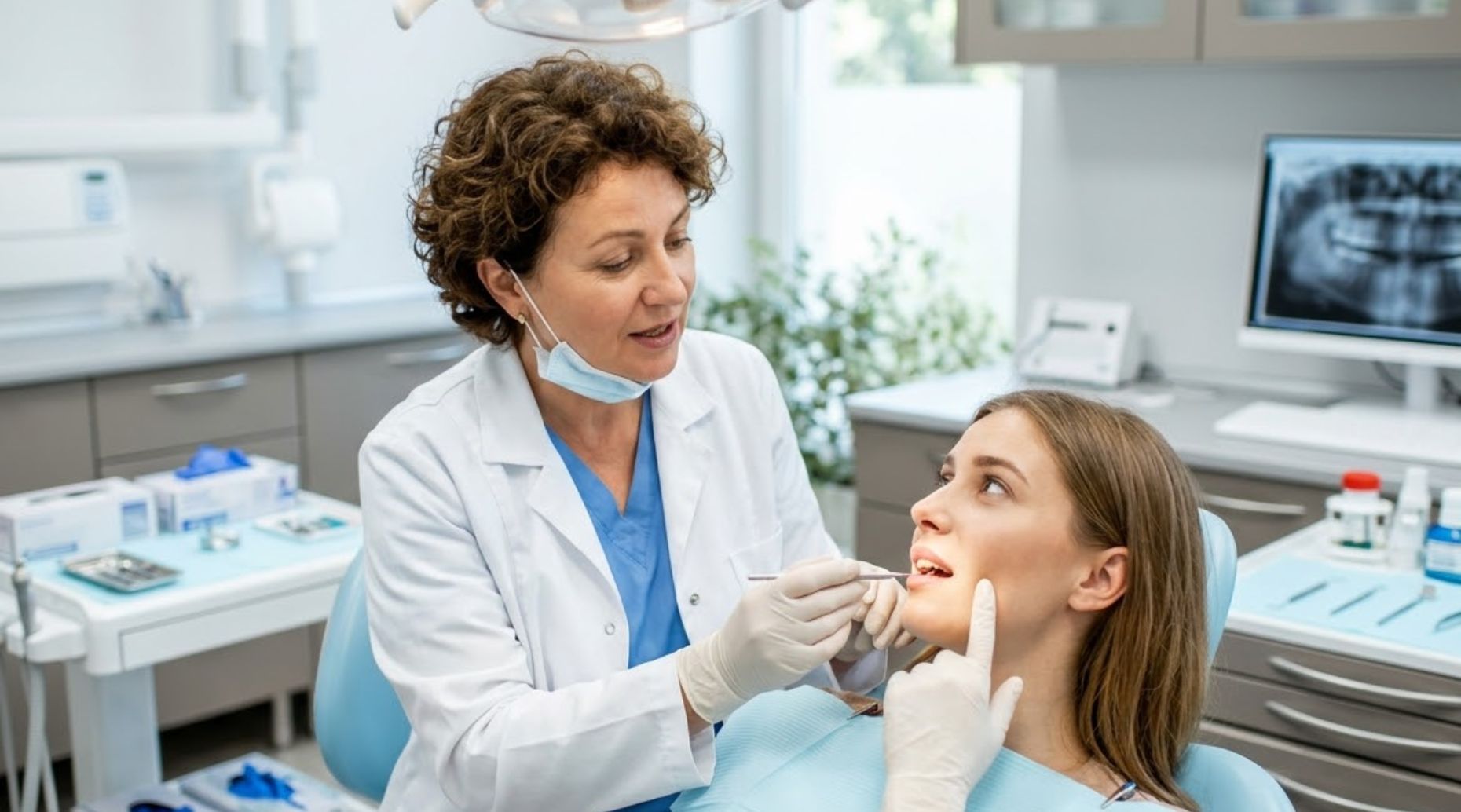
Dental health is a crucial aspect of overall well-being, yet many individuals often overlook the signs that indicate the need for immediate dental care. Recognizing these signs can prevent more severe health issues and ensure timely treatment. This article will explore the most common indicators that suggest you should visit a provider specializing in general dentistry in Princeton without delay. You will learn about symptoms such as persistent tooth pain, swollen or bleeding gums, and the implications of dental infections. Understanding these signs can help you take proactive steps toward maintaining your oral health and avoiding complications.
What Are the Most Common Signs Indicating Immediate Dental Care in Princeton?
Identifying the signs that necessitate urgent dental care is essential for maintaining oral health. Common indicators include:
- Persistent Tooth Pain: Ongoing discomfort can signal underlying issues such as cavities or infections.
- Swollen or Bleeding Gums: These symptoms often indicate gum disease, which requires prompt attention.
- Sensitivity to Hot or Cold: Increased sensitivity may suggest tooth decay or other dental problems.
If you experience any of these symptoms, it is crucial to seek professional help immediately. Tuttle Dental Care, located at 330 Princeton-Hightstown Road, West Windsor Township, NJ 08550, is equipped to address these urgent dental needs.
How Do Bleeding Gums Signal the Need for Urgent Dental Attention?
Bleeding gums are a significant warning sign that should not be ignored. This condition often indicates gum disease, which can lead to more severe dental issues if left untreated. The presence of bleeding gums suggests inflammation and infection, which can escalate into periodontal disease, potentially resulting in tooth loss. Seeking immediate dental attention is essential to evaluate the underlying causes and initiate appropriate treatment.
Further elaborating on the severity of gum issues, periodontitis presents with distinct symptoms and requires specific treatment approaches.
Periodontitis Symptoms: Swollen, Bleeding Gums & Treatment
Symptoms of periodontitis include swollen, red, and bleeding gums, persistent bad breath, gum recession, and loose teeth. As the disease progresses, pockets form between the teeth and gums, harboring more bacteria and exacerbating the condition. Treatment for periodontitis involves several steps. Initially, a thorough professional cleaning, known as scaling and root planning, is performed to remove plaque and tartar from below the gum line.
Periodontitis: Causes, symptoms, and steps to treatment, 2023
When Does Tooth Pain Require Emergency Dental Services?
Tooth pain can vary in intensity and duration, but certain conditions warrant emergency dental services. Key indicators include:
- Severe Pain Persisting Despite Remedies: If over-the-counter pain relief does not alleviate your discomfort, it may indicate a serious issue.
- Signs of Infection: Symptoms such as swelling, fever, or pus can signal an abscess that requires immediate care.
- Excessive Bleeding After Extraction: If bleeding continues beyond a reasonable timeframe, it is crucial to consult a dentist.
Recognizing these signs can help you determine when to seek emergency dental care.
How to Recognize Signs of Dental Infection and When to See a Dentist Urgently
Dental infections can manifest in various ways, and recognizing these signs is vital for timely intervention. Symptoms to watch for include:
- Swelling in Gums or Face: This can indicate an abscess or severe infection that requires immediate treatment.
- Fever Indicating Infection: A fever may accompany dental infections, signaling the body's response to an underlying issue.
- Persistent Pain Not Easing with Medication: If pain persists despite taking pain relievers, it is essential to consult a dentist.
Prompt recognition of these symptoms can prevent complications and ensure effective treatment.
What Are the Symptoms of a Dental Abscess and Infection?
A dental abscess is a localized infection that can lead to severe complications if not treated promptly. Common symptoms include:
- Swelling in Gums or Face: This is often the first noticeable sign of an abscess.
- Fever: A systemic response to infection may present as a fever.
- Persistent Pain: The pain associated with an abscess is typically severe and throbbing.
If you experience these symptoms, it is crucial to seek immediate dental care to prevent the infection from spreading.
When dealing with an acute dental abscess, effective treatment involves a multi-faceted approach to manage pain and eliminate the infection.
Acute Dental Abscess Treatment: Pain Control & Infection Removal
the treatment of a spreading, acute dental abscess centres on pain control, antibiotics, surgical drainage and removal of the source of infection
Diagnosis and management of unusual dental abscesses in children, 2003
Why Is Early Intervention Critical for Dental Infections?
Early intervention in dental infections is vital for several reasons:
- Prevents Escalation of Issues: Addressing infections promptly can prevent them from worsening and leading to more severe health problems.
- Cost Savings on Treatments: Early treatment often results in less extensive and less expensive procedures.
- Supports Overall Health: Dental infections can impact overall health, making timely intervention essential.
Understanding the importance of early intervention can motivate individuals to seek care when needed.
What Emergency Dental Services Are Available in Princeton for Immediate Care?
In Princeton, various emergency dental services are available to address urgent needs. These services include:
- Same-Day Emergency Care: Many dental practices offer immediate appointments for urgent cases.
- Treatment for Severe Tooth Pain: Dentists can provide pain relief and address the underlying causes.
- Addressing Dental Abscesses: Prompt treatment can prevent the spread of infection and alleviate discomfort.
Tuttle Dental Care is prepared to provide these essential services to ensure your dental health is prioritized.
How Does a General Dentistry Provider Manage Dental Emergencies?
General dentistry providers are equipped to manage dental emergencies effectively. Key aspects of their approach include:
- Prompt Attention and Care: Immediate evaluation and treatment are crucial for successful outcomes.
- Range of Treatments Available: Providers can offer various treatments, from pain management to surgical interventions.
- Emphasis on Patient Comfort: Ensuring patient comfort during emergencies is a priority for dental professionals.
Understanding how dental emergencies are managed can help alleviate anxiety when seeking care.
Where to Find Emergency Dental Care in Princeton and West Windsor?
Finding emergency dental care in Princeton and West Windsor is essential for timely treatment. Tuttle Dental Care offers comprehensive emergency services, including:
- Contact Information: You can reach out to Tuttle Dental Care at (609) 799-2929 for immediate assistance.
- Office Hours: The practice is available to address urgent dental needs during regular business hours.
- Location Details: Visit Tuttle Dental Care at 330 Princeton-Hightstown Road, West Windsor Township, NJ 08550 for in-person consultations.
Having access to reliable emergency dental care can make a significant difference in managing urgent dental issues.
Which Treatment Options Does a General Dentistry Provider Offer for Urgent Dental Issues?
General dentistry providers offer various treatment options for urgent dental issues, including:
- Emergency Care for Severe Tooth Pain: Immediate relief options are available to address discomfort.
- Re-implantation for Knocked-Out Teeth: Quick action can save a tooth that has been dislodged.
- Drainage for Dental Abscesses: This procedure can alleviate pressure and remove infection.
Understanding these treatment options can help patients make informed decisions during emergencies.
How Is Bleeding Gums Treatment Provided Locally?
Treatment for bleeding gums typically involves several approaches, including:
- Saltwater Rinse: This can help reduce inflammation and promote healing.
- Cold Compress: Applying a cold compress can alleviate swelling and discomfort.
- NSAIDs for Pain Relief: Non-steroidal anti-inflammatory drugs can help manage pain associated with gum issues.
These local treatment options can provide immediate relief while addressing the underlying causes of bleeding gums.
What Toothache Relief Procedures Are Available in Princeton?
Toothache relief procedures in Princeton include:
- Same-Day Crowns: These can provide immediate restoration for damaged teeth.
- Emergency Dental Services: Quick access to care can alleviate pain and address the cause.
- Root Canals: This procedure can save a tooth that is severely infected or damaged.
Exploring these options can help individuals find effective relief from toothaches.
How Can Preventive Dental Care Help Avoid Urgent Visits to a General Dentist?
Preventive dental care plays a crucial role in maintaining oral health and avoiding emergencies. Key benefits include:
- Early Detection of Issues: Regular check-ups can identify problems before they escalate.
- Cost Savings: Preventive care is often less expensive than emergency treatments.
- Overall Health Benefits: Maintaining oral health contributes to overall well-being.
Understanding the value of preventive care can encourage individuals to prioritize regular dental visits.
What Are Effective Preventive Tips to Maintain Gum and Tooth Health?
To maintain gum and tooth health, consider the following preventive tips:
- Brush Thoroughly: Ensure you brush at least twice a day with fluoride toothpaste.
- Floss Daily: Flossing helps remove plaque and food particles from between teeth.
- Regular Dental Visits: Schedule routine check-ups every six months to catch potential issues early.
Implementing these tips can significantly enhance your oral health and reduce the likelihood of urgent dental visits.
When Should You Schedule Routine Exams to Prevent Emergencies?
Routine exams should be scheduled every six months to maintain optimal dental health. Regular check-ups allow for:
- Importance of Regular Check-Ups: These visits help identify issues before they become emergencies.
- Preventive Care Benefits: Consistent care can lead to better overall oral health and fewer urgent visits.
By adhering to a regular dental schedule, individuals can significantly reduce their risk of dental emergencies.
What Are the Signs You Should Not Delay Visiting a General Dentistry Provider?
Certain signs indicate that you should not delay visiting a general dentistry provider, including:
- Persistent Tooth Pain: Ongoing discomfort is a clear signal that something is wrong.
- Swollen or Bleeding Gums: These symptoms require immediate evaluation to prevent complications.
- Visible Cavities: If you notice cavities, seeking treatment promptly can prevent further decay.
Recognizing these signs can help you take timely action to protect your dental health.
How to Differentiate Between Minor Discomfort and Urgent Dental Symptoms?
Differentiating between minor discomfort and urgent dental symptoms is crucial for effective care. Consider the following:
- Minor Discomfort Signs: Mild sensitivity or occasional discomfort may not require immediate attention.
- Urgent Attention Signs: Severe pain, swelling, or bleeding should prompt a visit to the dentist.
Understanding these distinctions can help you make informed decisions about when to seek dental care.
What Are the Risks of Postponing Dental Care for Bleeding Gums and Tooth Pain?
Postponing dental care for bleeding gums and tooth pain can lead to several risks, including:
- Worsening Infections: Delaying treatment can allow infections to spread and become more severe.
- Increased Pain: Ignoring symptoms often leads to more intense discomfort over time.
- Potential Tooth Loss: Untreated dental issues can result in the loss of teeth, impacting overall health.
Recognizing these risks can motivate individuals to seek timely dental care.
Frequently Asked Questions
What should I do if I experience a dental emergency outside of regular office hours?
If you encounter a dental emergency outside of regular office hours, it's essential to contact your dentist's office as many practices provide emergency contact information. If your dentist is unavailable, consider visiting an urgent care facility or an emergency room, especially if you are experiencing severe pain, excessive bleeding, or signs of infection. Always prioritize your health and seek immediate care when necessary.
How can I prepare for my first visit to a general dentistry provider?
Preparing for your first visit to a general dentistry provider involves a few key steps. Bring any relevant medical history, including medications and allergies, and be ready to discuss your dental concerns. It's also helpful to have your insurance information on hand. Arriving early can give you time to fill out any necessary paperwork and help you feel more comfortable during your appointment.
Are there specific dietary changes I can make to improve my dental health?
Yes, certain dietary changes can significantly enhance your dental health. Incorporating foods rich in calcium, such as dairy products, leafy greens, and nuts, can strengthen your teeth. Reducing sugary snacks and beverages can help prevent cavities. Additionally, drinking plenty of water, especially fluoridated water, can aid in washing away food particles and bacteria, promoting overall oral hygiene.
What are the long-term effects of untreated dental issues?
Untreated dental issues can lead to severe long-term consequences, including chronic pain, tooth loss, and systemic health problems. Conditions like gum disease can increase the risk of heart disease and diabetes. Additionally, ongoing infections can spread to other parts of the body, leading to more serious health complications. Regular dental check-ups are crucial for preventing these issues and maintaining overall health.
How often should I have dental check-ups to maintain good oral health?
It is generally recommended to have dental check-ups every six months to maintain optimal oral health. These routine visits allow your dentist to monitor your dental health, perform cleanings, and catch any potential issues early. However, individuals with specific dental concerns or conditions may need to visit more frequently, so it's best to follow your dentist's advice tailored to your needs.
What are some common misconceptions about dental pain and treatment?
Many misconceptions exist regarding dental pain and treatment. One common belief is that all dental pain indicates a severe problem, while mild discomfort can sometimes be a normal response to dental work or sensitivity. Another misconception is that dental treatment is always painful; in reality, modern dentistry offers various pain management options to ensure patient comfort. Understanding these myths can help patients approach dental care with less anxiety.
Can stress affect my dental health?
Yes, stress can significantly impact your dental health. It can lead to behaviors such as teeth grinding (bruxism), which can cause tooth wear and jaw pain. Stress may also contribute to gum disease by weakening the immune system, making it harder for the body to fight off infections. Managing stress through relaxation techniques and regular dental visits can help mitigate these effects and promote better oral health.
Conclusion
Recognizing the signs that necessitate immediate dental care is essential for maintaining optimal oral health and preventing severe complications. By understanding symptoms such as persistent tooth pain and swollen gums, you can take proactive steps to seek timely treatment. Prioritize your dental health by scheduling regular check-ups and addressing any urgent issues promptly. Contact Tuttle Dental Care today to ensure your smile remains healthy and vibrant.
