
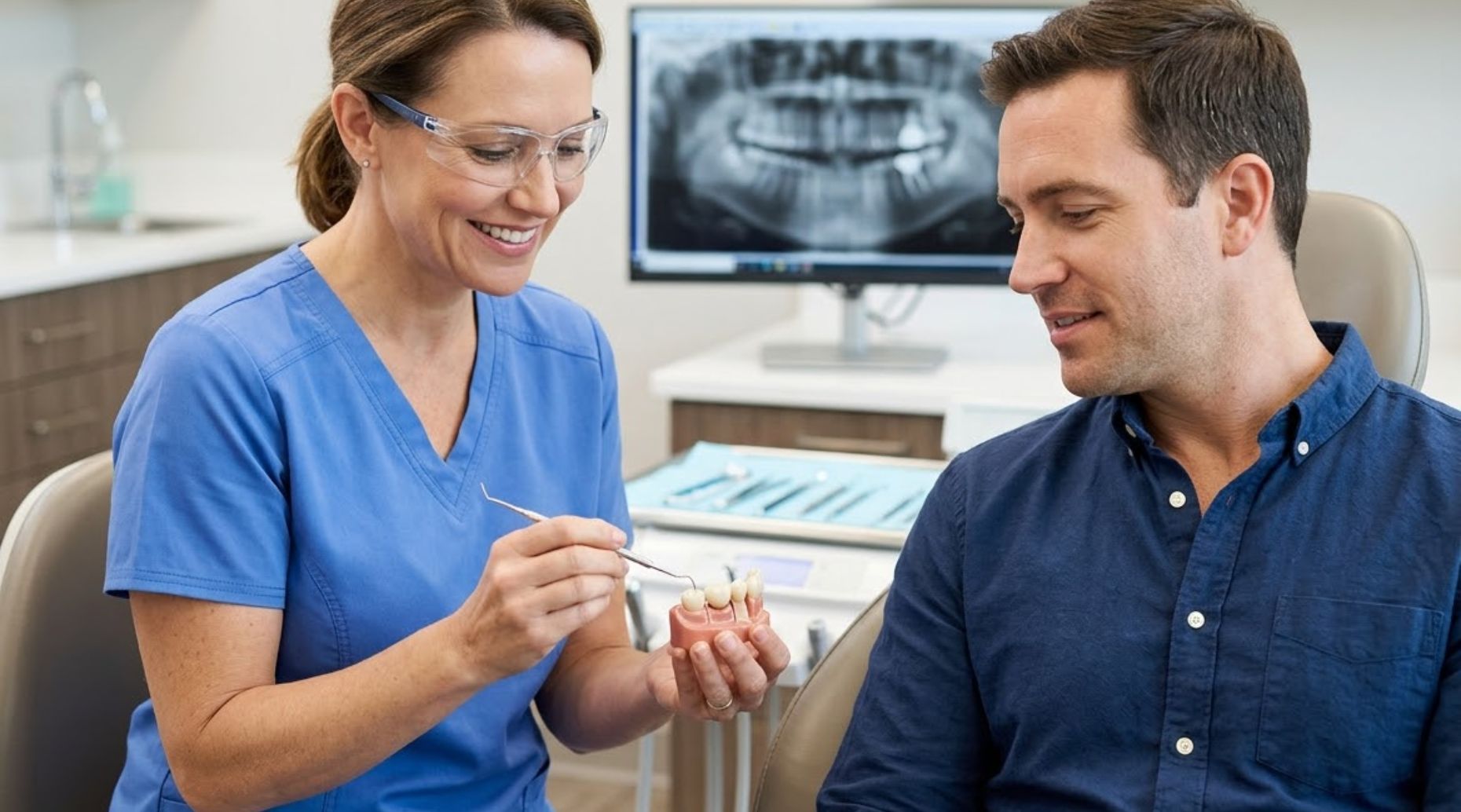
Restorative dentistry plays a crucial role in maintaining oral health by addressing issues such as decay, damage, and missing teeth. In general dentistry in Princeton, practices offer a variety of restorative treatments designed to restore function and aesthetics to patients' smiles. This article will explore the common restorative treatments available, including dental fillings, crowns, and implants, while also discussing the importance of choosing the right dental care provider. By understanding these options, patients can make informed decisions about their dental health and enhance their overall well-being.
What Are the Common Restorative Treatments Offered by General Dentistry in Princeton?
General dentistry in Princeton provides several restorative treatments that cater to various dental issues. These treatments include:
- Dental Fillings: Used to repair cavities and restore tooth structure.
- Dental Crowns: Designed to cover and protect damaged teeth, restoring their shape and function.
- Dental Implants: Permanent solutions for replacing missing teeth, providing a strong foundation for artificial teeth.
These treatments not only improve the functionality of teeth but also enhance the aesthetic appearance of smiles, contributing to better oral health and increased confidence.
Indeed, the pursuit of improved dental appearance and overall quality of life is a primary motivator for many patients seeking restorative care.
Restorative Treatment for Tooth Wear: Aesthetics & Quality of Life
Patients often seek restorative treatment due to functional or aesthetically related problems. The most common complaints associated with tooth wear are dissatisfaction with dental appearance and sensitivity. This study evaluates the perception of oral health related quality of life and aesthetics, following restorative treatment of tooth wear.
From porcelain-fused-to-metal to zirconia: clinical and experimental considerations, F Zarone, 2011
Overview of Dental Fillings, Crowns, and Implants
Dental fillings, crowns, and implants are essential components of restorative dentistry. Each treatment serves a specific purpose and is tailored to meet individual patient needs.
- Dental Fillings: Fillings are used to treat cavities caused by tooth decay. They restore the tooth's structure and prevent further decay. Common materials for fillings include amalgam, composite resin, and glass ionomer.
- Dental Crowns: Crowns are caps placed over damaged teeth to restore their shape, size, and strength. They are often used when a tooth is severely decayed or has undergone root canal treatment. Crowns can be made from various materials, including porcelain, metal, or a combination of both.
- Dental Implants: Implants are titanium posts surgically placed into the jawbone to serve as a foundation for replacement teeth. They offer a permanent solution for missing teeth and help maintain jawbone integrity.
Tuttle Dental Care, a comprehensive dental practice in Princeton, offers these restorative services, ensuring patients receive the highest quality care tailored to their specific needs.
Role of Tooth Repair Specialists in Restorative Care
Tooth repair specialists, often referred to as restorative dentists, play a vital role in the field of restorative dentistry. Their expertise lies in diagnosing and treating dental issues that require restoration. These specialists are trained to perform complex procedures, ensuring that patients receive the best possible outcomes.
The importance of tooth repair specialists includes:
- Expertise: They possess advanced training in restorative techniques, allowing them to handle intricate cases effectively.
- Comprehensive Care: Specialists can provide a range of services, from simple fillings to complex implant placements, ensuring continuity of care.
- Improved Patient Outcomes: Their skills lead to better functional and aesthetic results, enhancing patient satisfaction.
How Do Dental Crowns in Princeton Restore Tooth Function and Aesthetics?
Dental crowns are a popular restorative option that significantly enhances both the function and appearance of damaged teeth. By covering the entire tooth, crowns provide strength and protection, allowing patients to chew and speak comfortably.
The benefits of dental crowns include:
- Restoration of Shape and Size: Crowns restore the natural shape and size of the tooth, improving its overall appearance.
- Strengthening Weak Teeth: They reinforce weakened teeth, preventing further damage and potential tooth loss.
- Cosmetic Enhancement: Crowns can be customized to match the color and texture of natural teeth, providing a seamless look.
Patients in Princeton can benefit from high-quality crowns that not only restore function but also enhance their smiles.
Types of Dental Crowns and Materials Used
Dental crowns come in various types and materials, each offering unique advantages. The most common types include:
- Porcelain Crowns: Known for their natural appearance, porcelain crowns are ideal for front teeth where aesthetics are a priority.
- Metal Crowns: These crowns are highly durable and suitable for back teeth, where strength is essential.
- Porcelain-Fused-to-Metal Crowns: Combining the strength of metal with the aesthetics of porcelain, these crowns are versatile and widely used.
Choosing the right type of crown depends on factors such as the location of the tooth, the extent of damage, and patient preferences.
Among the advanced materials available, zirconia has emerged as a particularly promising option for its blend of mechanical strength and aesthetic appeal.
Zirconia: A Promising Restorative Material for Esthetic Crowns
Zirconia is one of the most promising restorative materials, because it yields very favourable mechanical properties and reasonable esthetic.
From porcelain-fused-to-metal to zirconia: clinical and experimental considerations, F Zarone, 2011
Longevity and Benefits of Dental Crowns
Dental crowns are designed to be long-lasting, with an average lifespan of 10 to 15 years, depending on the material used and the patient's oral hygiene practices. The benefits of dental crowns include:
- Durability: Crowns are resistant to wear and tear, making them a reliable option for restoring damaged teeth.
- Improved Functionality: They allow patients to eat and speak without discomfort, enhancing their quality of life.
- Aesthetic Appeal: Crowns can significantly improve the appearance of damaged teeth, boosting patient confidence.
Regular dental check-ups and proper care can extend the life of dental crowns, ensuring they remain functional and aesthetically pleasing.
What Tooth Filling Options Are Available Through General Dentistry in Princeton?
General dentistry in Princeton offers several tooth filling options to address cavities and restore tooth structure. The most common types of fillings include:
- Amalgam Fillings: Made from a mixture of metals, amalgam fillings are durable and suitable for back teeth.
- Composite Fillings: These tooth-colored fillings blend seamlessly with natural teeth, making them ideal for visible areas.
- Glass Ionomer Fillings: Often used for children, these fillings release fluoride and bond well to tooth structure.
Each filling type has its advantages, and the choice depends on factors such as the location of the cavity, patient preferences, and budget considerations.
Comparing Amalgam, Composite, and Advanced Filling Materials
When considering filling materials, it's essential to understand the pros and cons of each option:
This comparison highlights the importance of discussing filling options with a dental professional to determine the best choice for individual needs.
Patient Eligibility and Procedure Overview
Eligibility for restorative treatments varies based on individual dental health and specific needs. Generally, patients seeking restorative care should consider the following:
- Dental Health: A thorough examination is necessary to assess the extent of damage or decay.
- Treatment Goals: Patients should discuss their goals with their dentist to determine the most suitable restorative options.
- Financial Considerations: Understanding the costs associated with different treatments can help patients make informed decisions.
The procedure for restorative treatments typically involves an initial consultation, diagnostic imaging, and the development of a personalized treatment plan.
Which Princeton Dental Implant Treatments Are Best for Replacing Missing Teeth?
Dental implants are a highly effective solution for replacing missing teeth. In Princeton, several implant options are available, including:
- Single Tooth Implants: Ideal for replacing one missing tooth, providing a natural look and function.
- Implant-Supported Bridges: Used when multiple teeth are missing, these bridges are anchored by implants for stability.
- Full Arch Implants: Suitable for patients with significant tooth loss, full arch implants provide a complete restoration.
Each option offers unique benefits, and a consultation with a dental professional can help determine the best approach for individual cases.
When considering implant-supported restorations, the choice of crown material significantly impacts long-term success and patient satisfaction.
Long-Term Performance of Zirconia vs. PFM Implant Crowns
The longevity and clinical performance of implant-supported crowns are crucial for ensuring long-term success in dental restorations. Monolithic zirconia (MZ) and porcelain-fused-to-metal (PFM) crowns are two commonly used materials with distinct mechanical and aesthetic properties. This study aims to evaluate and compare the long-term clinical performance of MZ and PFM implant crowns in terms of survival rate, mechanical complications, and patient satisfaction.
Evaluation of the Long-Term Clinical Performance of Monolithic Zirconia versus Porcelain-Fused-to-Metal Implant Crowns, 2025
Dental Implant Procedure and Recovery Time
The dental implant procedure typically involves several steps:
- Initial Consultation: A thorough examination and imaging to assess bone density and determine candidacy.
- Implant Placement: The titanium post is surgically placed into the jawbone, serving as a root for the replacement tooth.
- Healing Period: Osseointegration occurs as the bone fuses with the implant, usually taking 3 to 6 months.
- Abutment Placement: Once healed, an abutment is attached to the implant to support the crown.
- Crown Placement: Finally, a custom crown is placed on the abutment, completing the restoration.
Recovery time varies, but most patients can return to normal activities within a few days, with full healing taking several months.
Benefits and Candidacy Criteria for Implants
Dental implants offer numerous benefits, including:
- Permanent Solution: Implants provide a long-lasting solution for missing teeth, often lasting a lifetime with proper care.
- Natural Appearance: They closely resemble natural teeth, enhancing aesthetics and confidence.
- Bone Preservation: Implants help maintain jawbone density, preventing bone loss associated with missing teeth.
Candidates for dental implants should have sufficient bone density, good oral health, and a commitment to maintaining oral hygiene.
How to Choose the Right General Dentistry Restorative Services in Princeton?
Selecting the right restorative services involves several considerations:
- Qualifications and Experience: Look for a dentist with specialized training in restorative dentistry and a proven track record.
- Patient Reviews: Reading testimonials can provide insight into the quality of care and patient satisfaction.
- Comprehensive Services: Choose a practice that offers a full range of restorative options to address various dental needs.
Tuttle Dental Care stands out as a trusted provider in Princeton, offering compassionate care and a comprehensive approach to restorative dentistry.
Evaluating Patient Care and Advanced Restorative Options
When evaluating patient care, consider the following factors:
- Patient Comfort: A good practice prioritizes patient comfort and employs techniques to minimize anxiety during procedures.
- Advanced Technologies: Look for practices that utilize modern technologies, such as digital imaging and CAD/CAM systems, for precise restorations.
- Follow-Up Care: Quality practices provide thorough follow-up care to ensure successful outcomes and address any concerns.
These elements contribute to a positive patient experience and successful restorative treatments.
Integrating General Dentistry with Restorative Treatments
Integrating general dentistry with restorative treatments is essential for comprehensive oral health care. General dentists often serve as the first point of contact for patients, identifying issues that may require restorative intervention. This integration ensures that patients receive timely and appropriate care, leading to better overall outcomes.
By combining preventive care with restorative treatments, dental practices can help patients maintain optimal oral health and prevent future issues.
Frequently Asked Questions
What should I expect during a dental implant consultation?
During a dental implant consultation, your dentist will conduct a thorough examination of your oral health, including X-rays or 3D imaging to assess bone density. They will discuss your medical history, evaluate your candidacy for implants, and explain the procedure in detail. This is also an opportunity for you to ask questions about the process, recovery time, and costs involved. Understanding these aspects will help you feel more comfortable and informed about your treatment options.
How can I maintain my dental restorations for longevity?
To ensure the longevity of your dental restorations, practice good oral hygiene by brushing twice a day and flossing daily. Regular dental check-ups are essential for monitoring the condition of your restorations and addressing any issues early. Avoid hard foods that could damage crowns or fillings, and consider using a mouthguard if you grind your teeth. Additionally, maintaining a balanced diet and avoiding excessive sugar can help preserve your overall dental health.
Are there any risks associated with restorative dental treatments?
While restorative dental treatments are generally safe, there are some risks involved, such as infection, allergic reactions to materials, or complications during the procedure. For dental implants, there is a risk of implant failure if there is insufficient bone density or if proper aftercare is not followed. Discussing potential risks with your dentist can help you understand what to expect and how to minimize complications, ensuring a smoother treatment experience.
How do I know if I need restorative dental treatment?
Signs that you may need restorative dental treatment include persistent tooth pain, visible decay, broken or chipped teeth, and difficulty chewing or speaking. If you notice changes in your dental health, such as increased sensitivity or gum issues, it’s important to consult your dentist. Regular dental check-ups can also help identify problems early, allowing for timely intervention and preventing further complications.
What are the differences between various types of dental crowns?
Dental crowns come in several types, each with unique properties. Porcelain crowns are aesthetically pleasing and ideal for front teeth, while metal crowns are highly durable and suitable for back teeth. Porcelain-fused-to-metal crowns offer a balance of strength and aesthetics. Additionally, newer materials like zirconia provide excellent durability and a natural appearance. The choice of crown type depends on factors such as the tooth's location, the extent of damage, and patient preferences.
Can restorative treatments improve my overall health?
Yes, restorative treatments can significantly improve your overall health. By addressing dental issues such as decay or missing teeth, these treatments can enhance your ability to chew and speak, leading to better nutrition and overall well-being. Additionally, restoring your smile can boost your confidence and mental health. Good oral health is linked to reduced risks of systemic conditions, such as heart disease and diabetes, making restorative dentistry an important aspect of holistic health care.
What financing options are available for restorative dental treatments?
Many dental practices offer various financing options to help patients manage the costs of restorative treatments. These may include payment plans, dental credit cards, or partnerships with third-party financing companies. Some practices also accept insurance, which can cover a portion of the treatment costs. It’s advisable to discuss your financial options with your dentist’s office to find a plan that fits your budget and ensures you receive the necessary care without financial strain.
Cost Considerations and Insurance Coverage
Understanding the costs associated with restorative treatments is crucial for patients. Factors influencing costs include:
- Type of Treatment: Different procedures have varying costs based on complexity and materials used.
- Insurance Coverage: Many insurance plans provide coverage for restorative treatments, but patients should confirm their benefits.
- Payment Plans: Some dental practices offer financing options to help patients manage treatment costs.
Discussing these aspects with your dental provider can help patients make informed decisions about their restorative care.
Patient Testimonials and Success Stories
Patient testimonials provide valuable insights into the effectiveness of restorative treatments. Many individuals share positive experiences regarding their dental restorations, highlighting improvements in function and aesthetics. Success stories often emphasize the impact of these treatments on overall quality of life, showcasing the importance of investing in dental health.
To schedule a consultation, contact us at Tuttle Dental Care, patients can expect compassionate care and successful outcomes in their restorative journey.
Conclusion
Restorative dentistry in Princeton offers essential treatments like fillings, crowns, and implants that significantly enhance both oral function and aesthetics. By choosing the right dental care provider, patients can ensure they receive tailored solutions that improve their overall well-being. Take the next step towards a healthier smile by scheduling a consultation with Tuttle Dental Care today. Experience the transformative benefits of restorative treatments and regain your confidence in your smile.
