
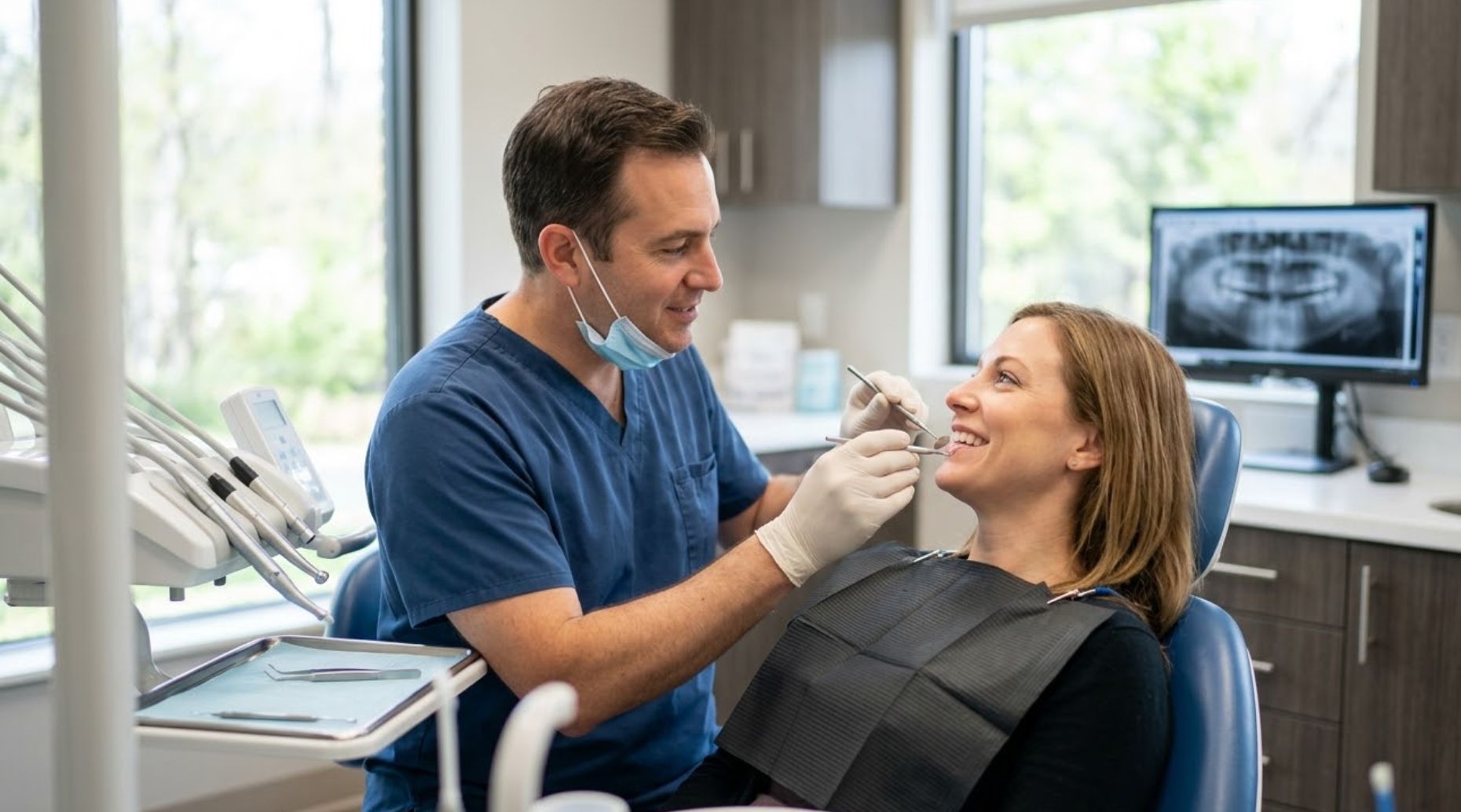
Maintaining optimal oral health is essential for overall well-being, and regular visits to a general dentistry clinic play a crucial role in this process. This article will explore the recommended frequency of dental checkups, the importance of routine visits, and how individual risk factors can influence your dental care schedule. Many people wonder how often they should visit a dentist to prevent issues and maintain a healthy smile. By understanding the guidelines and personalizing your visit schedule, you can ensure that your dental health remains a priority through general dentistry in Princeton. We will cover various aspects, including the significance of routine checkups, what happens during an oral health exam, and how to choose the right dentist in Princeton.
What Is the Recommended Frequency for Dental Checkups in Princeton?
The standard recommendation for dental checkups is every six months. This frequency allows for regular monitoring of oral health, enabling early detection of potential issues. However, individual needs may vary based on personal health factors, such as age, dental history, and lifestyle choices. Regular visits are essential for maintaining oral hygiene and preventing more severe dental problems down the line.
While a six-month interval is commonly recommended, some research suggests that the optimal frequency for routine dental checks may not be universally established by existing evidence.
Routine Dental Checkups: Evidence on Optimal Frequency
This review demonstrates a lack of consistency in the direction of effect of oral health outcome measures with different frequencies of routine dental check. Six-monthly routine dental checks or any other specific frequency of routine dental check for adults or children cannot be advocated on the basis of existing evidence.
Saving more teeth—a case for personalized care, AR Vieira, 2015
For those in Princeton, Tuttle Dental Care emphasizes the importance of personalized care, ensuring that each patient receives tailored advice on their visit frequency based on their unique circumstances.
This approach aligns with the growing understanding that personalized dentistry, which tailors visit schedules to individual needs, can lead to better outcomes.
Personalized Dental Care: Customizing Visit Schedules
14.5% of the subjects studied had no risk factors and more teeth in their mouths. personalized dentistry in which individuals receive a customized schedule for their periodic dental visits
Saving more teeth—a case for personalized care, AR Vieira, 2015
Why Are Routine Dental Visits Every Six Months Important?
Routine dental visits every six months are vital for several reasons. First, they facilitate the early detection of dental issues, such as cavities or gum disease, which can be more easily treated when caught early. Second, regular checkups can lead to significant cost savings through preventive care, as addressing problems early often requires less extensive and less expensive treatments. Lastly, maintaining regular dental visits contributes to overall health benefits, as oral health is closely linked to systemic health conditions.
How Do Personalized Visit Intervals Depend on Patient Risk Factors?
Personalized visit intervals can vary significantly based on individual risk factors. Factors influencing visit frequency include:
- Age: Children and seniors may require more frequent visits due to changing dental needs.
- Dental History: Individuals with a history of cavities or gum disease may need to visit more often.
- Lifestyle Choices: Habits such as smoking or a high-sugar diet can increase the risk of dental issues, necessitating more frequent checkups.
Understanding these factors allows for a more tailored approach to dental care, ensuring that each patient receives the attention they need.
Further emphasizing the importance of a tailored approach, research highlights how personalized preventive dental care, considering individual risk factors and comorbidities, is crucial for effective oral health management.
Personalized Preventive Dental Care & Risk Factors
An evident underestimation of the targeted prevention of dental diseases is strongly supported by alarming epidemiologic statistics globally. Another important aspect is the “participatory” medicine based on the active participation of population in maintaining oral health: healthcare will remain insufficient as long as the patient is not motivated and does not feel responsible for their oral health. Noteworthy, the prominent risk factors and comorbidities linked to the severe disease course and poor outcomes in COVID-19-infected individuals, such as elderly, diabetes mellitus, hypertension and cardiovascular disease, are frequently associated with significantly altered oral microbiome profiles, systemic inflammatory processes and poor oral health.
Making a complex dental care tailored to the person: population health in focus of predictive, preventive and personalised (3P) medical approach, 2021
What Happens During a General Dentistry Oral Health Exam?
During a general dentistry oral health exam, a comprehensive examination is conducted to assess the overall health of your teeth and gums. The process typically includes:
- Visual Examination: The dentist inspects your mouth for signs of decay, gum disease, and other issues.
- X-rays: Digital X-rays may be taken to identify problems not visible during a visual exam.
- Discussion: The dentist will discuss your oral health goals and any concerns you may have.
Patient comfort is a priority during these exams, and dentists often take the time to explain each step of the process.
Which Procedures Are Included in a Standard Dental Checkup?
A standard dental checkup typically includes several key procedures:
- Professional Cleaning: Removal of plaque and tartar buildup to prevent cavities and gum disease.
- Fluoride Treatments: Application of fluoride to strengthen tooth enamel and prevent decay.
- Oral Cancer Screening: Examination of the mouth for any signs of oral cancer.
These procedures are essential for maintaining optimal oral health and preventing future issues.
How Do Oral Health Exams Detect Early Signs of Dental Issues?
Oral health exams are crucial for detecting early signs of dental issues. Dentists utilize various methods to identify potential problems, including:
- Visual Examinations: Dentists look for visible signs of decay or gum disease.
- Digital X-rays: These allow for a detailed view of the teeth and jaw, helping to identify issues beneath the surface.
- Patient History Review: Discussing your dental history and any symptoms can provide valuable insights into your oral health.
Early detection through these exams can lead to more effective treatment and better outcomes.
When Should You Visit a Dentist Sooner Than Scheduled?
There are specific signs that indicate you should visit a dentist sooner than your scheduled appointment. These include:
- Persistent Tooth Pain: Ongoing discomfort may signal an underlying issue that needs immediate attention.
- Swollen or Bleeding Gums: These symptoms can indicate gum disease and should be addressed promptly.
- Visible Cavities: If you notice any holes or dark spots on your teeth, it's essential to seek treatment.
Recognizing these signs can help prevent more severe dental problems.
What Are the Common Signs Indicating Immediate Dental Care?
Certain signs indicate that immediate dental care is necessary. These include:
- Severe Tooth Pain: Intense pain can be a sign of infection or decay.
- Knocked-Out Tooth: Immediate care is crucial to increase the chances of saving the tooth.
- Signs of Infection: Symptoms such as swelling, fever, or pus can indicate a serious issue that requires urgent attention.
Being aware of these signs can help you take prompt action to protect your dental health.
How Does Preventive Care Reduce Emergency Dental Visits?
Preventive care plays a significant role in reducing the need for emergency dental visits. By maintaining regular checkups and cleanings, patients can:
- Detect Issues Early: Regular exams help identify problems before they escalate into emergencies.
- Maintain Oral Hygiene: Professional cleanings remove plaque and tartar, reducing the risk of cavities and gum disease.
- Educate on Oral Health: Dentists provide valuable information on maintaining good oral hygiene at home.
This proactive approach to dental care can lead to fewer emergencies and better overall health.
How Do Advanced Cosmetic and Restorative Treatments Affect Visit Frequency?
Advanced cosmetic and restorative treatments can influence visit frequency based on individual needs. Patients undergoing procedures such as dental implants or cosmetic enhancements may require more frequent visits for monitoring and maintenance.
Consultation with a dentist can help determine the appropriate schedule for follow-up visits, ensuring that any necessary adjustments or care are provided in a timely manner.
What Is the Recommended Follow-Up for Dental Implant Patients?
For dental implant patients, regular follow-up visits are essential to monitor the healing process and ensure the implant is integrating properly with the jawbone. Typically, patients should expect to return for checkups:
- Within the First Few Months: Initial follow-ups are crucial to assess healing.
- Every 6-12 Months: Ongoing visits help ensure the implant remains healthy and functional.
These follow-ups are vital for the long-term success of dental implants.
How Often Should You Schedule Visits for Cosmetic Dentistry Maintenance?
For those who have undergone cosmetic dentistry procedures, maintenance visits are recommended to preserve the results. Generally, patients should schedule visits:
- Every 6 Months: Routine checkups help maintain the aesthetics and health of cosmetic work.
- As Needed: Additional visits may be necessary based on individual circumstances or concerns.
Regular maintenance ensures that cosmetic enhancements remain in optimal condition.
How to Choose the Right General Dentist in Princeton for Your Visit Schedule?
Choosing the right general dentist in Princeton involves several considerations to ensure that your visit schedule aligns with your needs. Key factors to consider include:
- Office Hours: Ensure the dentist's availability aligns with your schedule.
- Appointment Flexibility: Look for a practice that accommodates your needs for rescheduling or urgent visits.
- Patient Reviews: Researching patient experiences can provide insights into the quality of care.
Taking the time to find the right dentist can significantly impact your dental health journey.
What Factors Should You Consider When Selecting a Princeton Dentist?
When selecting a dentist in Princeton, consider the following factors:
- Qualifications: Verify the dentist's education and experience in general dentistry.
- Range of Services: Ensure the practice offers the services you may need, from routine checkups to advanced treatments.
- Patient Comfort: Look for a dentist who prioritizes patient comfort and communication.
These considerations will help you find a dentist who meets your specific needs.
How Does Tuttle Dental Care Support Personalized Dental Visit Plans?
Tuttle Dental Care supports personalized dental visit plans by offering comprehensive preventive care services tailored to individual needs. The practice emphasizes the importance of regular checkups and provides personalized oral hygiene education to help patients maintain their dental health. By focusing on each patient's unique circumstances, Tuttle Dental Care ensures that everyone receives the care they need to achieve optimal oral health.
Different aspects of oral health exams can vary based on individual needs and circumstances.
Frequently Asked Questions
1. What should I do if I experience dental pain between scheduled visits?
If you experience dental pain between your scheduled visits, it's important to contact your dentist as soon as possible. Persistent pain can indicate underlying issues such as cavities, infections, or gum disease that require immediate attention. Your dentist may recommend an earlier appointment to assess the problem and provide necessary treatment. Ignoring dental pain can lead to more severe complications, so proactive communication with your dental care provider is essential for maintaining your oral health.
2. How can I maintain good oral hygiene between dental visits?
Maintaining good oral hygiene between dental visits is crucial for preventing dental issues. Brush your teeth at least twice a day with fluoride toothpaste and floss daily to remove plaque and food particles. Additionally, consider using an antibacterial mouthwash to help reduce bacteria in your mouth. A balanced diet low in sugar and regular hydration can also support oral health. Regularly replacing your toothbrush every three to four months is important to ensure effective cleaning. These practices will help keep your teeth and gums healthy until your next dental checkup.
3. Are there specific dental care products recommended for sensitive teeth?
Yes, there are several dental care products specifically designed for sensitive teeth. Look for toothpaste labeled as "sensitive" that contains potassium nitrate or strontium chloride, which can help reduce sensitivity. Additionally, using a soft-bristled toothbrush can minimize irritation to sensitive gums and teeth. Mouth rinses formulated for sensitive teeth can also provide relief. It's advisable to consult your dentist for personalized recommendations based on your specific sensitivity issues and to ensure you are using the most effective products for your needs.
4. How can I prepare for my first visit to a new dentist?
Preparing for your first visit to a new dentist involves several steps to ensure a smooth experience. Start by gathering your dental records, including any previous X-rays and treatment history, if available. Make a list of any medications you are currently taking and any dental concerns you wish to discuss. Arrive early to complete any necessary paperwork and bring your insurance information. Being open and honest about your dental history and expectations will help your new dentist provide the best care tailored to your needs.
5. What are the benefits of choosing a family dentist?
Choosing a family dentist offers numerous benefits, including convenience and continuity of care. A family dentist can treat patients of all ages, from children to seniors, allowing your entire family to receive dental care in one location. This can simplify scheduling appointments and foster a comfortable environment for family members. Additionally, a family dentist can track your family's dental history over time, making it easier to identify trends and provide personalized care. Establishing a long-term relationship with a family dentist can enhance trust and communication regarding oral health.
6. How do dental insurance plans typically cover preventive care?
Most dental insurance plans cover preventive care, including routine checkups and cleanings, at a high percentage, often 100% for in-network providers. This typically includes two dental exams and cleanings per year, as well as X-rays as needed. However, coverage can vary by plan, so it's essential to review your specific policy details. Some plans may have waiting periods or limitations on certain services. Understanding your coverage can help you maximize your benefits and ensure you receive the preventive care necessary for maintaining good oral health.
7. What should I expect during my first dental appointment?
During your first dental appointment, you can expect a comprehensive evaluation of your oral health. The dentist will conduct a visual examination of your teeth and gums, possibly taking X-rays to identify any underlying issues. You will also discuss your dental history, any concerns you may have, and your oral health goals. The dentist may provide recommendations for treatment or preventive care based on their findings. This initial visit is an opportunity to establish a relationship with your dentist and set the foundation for your ongoing dental care.
Conclusion
Regular visits to a general dentistry clinic are essential for maintaining optimal oral health and preventing serious dental issues. By personalizing your visit schedule based on individual risk factors, you can ensure that your dental care is both effective and tailored to your needs. Don't wait for problems to arise; prioritize your oral health by scheduling your next dental checkup today with Tuttle Dental Care.
