
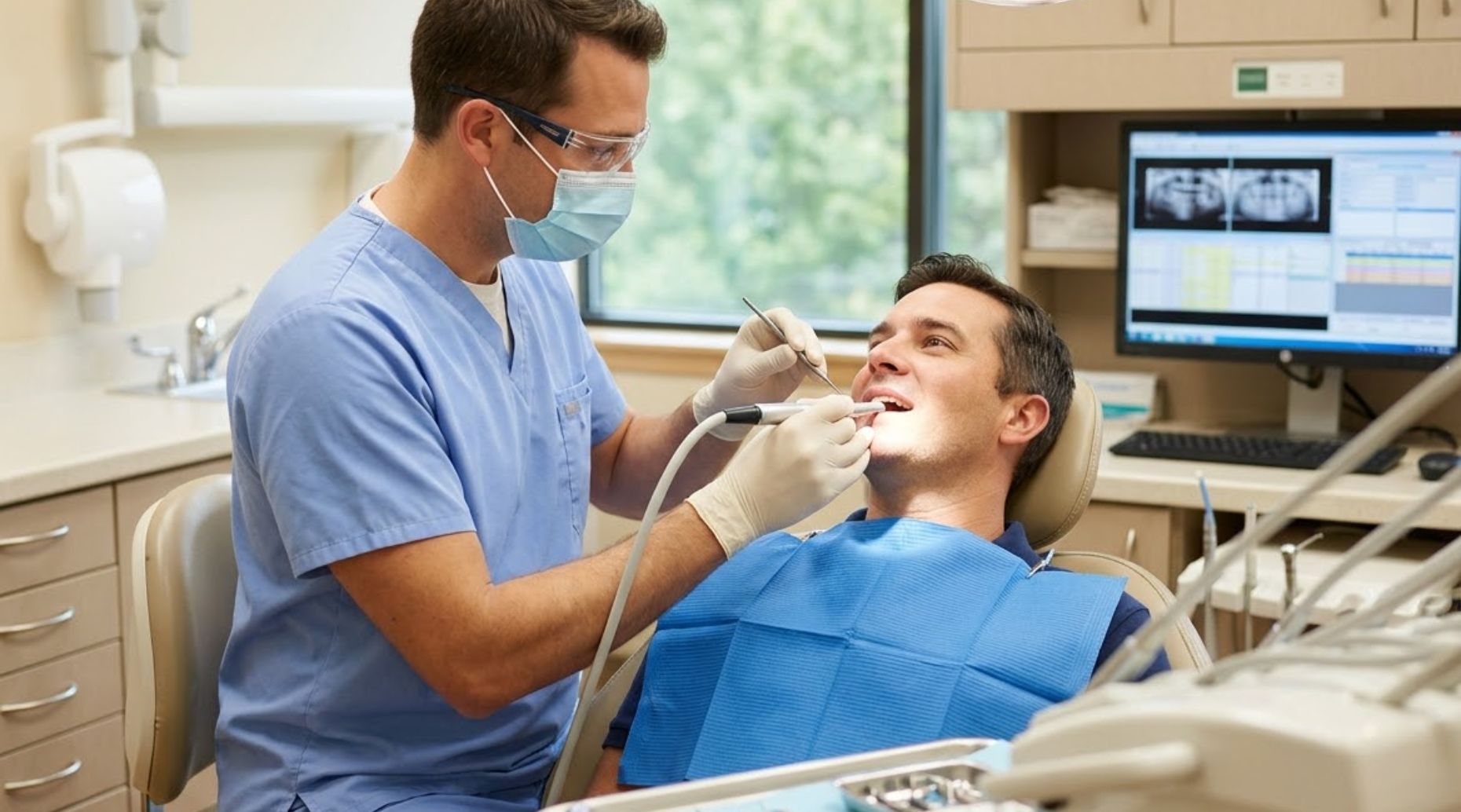
General dentistry plays a crucial role in maintaining oral health and preventing serious dental issues. By focusing on preventive care, dental professionals can help patients avoid complex treatments and costly procedures down the line. This article explores how general dentistry in Princeton, particularly through services offered by Tuttle Dental Care, helps prevent serious dental problems. Readers will learn about key preventive services, the importance of early detection, and how patient-centered care enhances overall dental health. We will also discuss the integration of advanced technology in preventive dentistry and the significance of patient testimonials in understanding the effectiveness of these services.
Preventive care is essential for maintaining optimal oral health and reducing the risk of serious dental problems. Regular dental check-ups, professional cleanings, fluoride treatments, and dental sealants are some of the key services that contribute to effective preventive care. These services not only help in identifying potential issues early but also play a significant role in educating patients about maintaining their oral hygiene. Tuttle Dental Care, a comprehensive dental practice in Princeton, NJ, offers a range of preventive services designed to keep your smile healthy and bright.
What Are the Key Preventive Dental Care Services Offered in Princeton?
Preventive dental care services are designed to help patients maintain their oral health and prevent serious dental issues. In Princeton, several key services are commonly offered:
- Regular Dental Check-Ups: These visits allow dentists to monitor oral health, identify potential problems, and provide timely interventions.
- Professional Cleanings: Regular cleanings help remove plaque and tartar buildup, reducing the risk of cavities and gum disease.
- Fluoride Treatments: Fluoride strengthens tooth enamel and helps prevent decay, making it a vital part of preventive care.
- Dental Sealants: These protective coatings are applied to the chewing surfaces of back teeth to prevent cavities.
Tuttle Dental Care provides these essential services, ensuring that patients receive comprehensive preventive care tailored to their needs.
How Do Dental Sealants Protect Against Tooth Decay?
Dental sealants are a preventive measure that involves applying a thin coating to the chewing surfaces of molars. This protective barrier helps seal off grooves and pits where food particles and bacteria can accumulate, significantly reducing the risk of cavities. By acting as a shield, dental sealants can prevent tooth decay, especially in children and teenagers who are more susceptible to cavities. This simple yet effective treatment is a key component of preventive care in general dentistry.
What Are the Benefits of Fluoride Treatments in Preventive Dentistry?
Fluoride treatments offer several benefits in preventive dentistry, making them an essential part of maintaining oral health. These treatments work by:
- Strengthening Tooth Enamel: Fluoride helps remineralize weakened enamel, making teeth more resistant to decay.
- Preventing Tooth Decay: Regular fluoride applications can significantly reduce the incidence of cavities, especially in children.
- Cost-Effective Care: By preventing decay, fluoride treatments can save patients from the need for more extensive and costly restorative procedures.
Incorporating fluoride treatments into regular dental care can lead to healthier teeth and a lower risk of serious dental problems.
How Does Early Detection Through General Dentistry Prevent Serious Dental Issues?
Early detection of dental issues is crucial in preventing more serious problems. Regular dental check-ups allow dentists to identify small issues before they escalate into major concerns. For instance, catching a cavity early can prevent the need for root canals or extractions later on. Additionally, early detection helps maintain optimal oral hygiene, ensuring that patients can enjoy their smiles for years to come. Tuttle Dental Care emphasizes the importance of routine visits to facilitate early diagnosis and intervention.
The importance of early detection in preventing serious dental problems is further supported by research highlighting modern strategies in caries management.
Dental Caries: Prevention, Early Detection & Modern Strategies
With the recent shift from the surgical model, which emphasized restorative treatment, to a medical model of disease management, newer strategies emphasize disease prevention and conservation of tooth structure. For early detection and monitoring of caries, rather than waiting until a cavity is formed and restorative treatment is needed, devices such as DIAGNOdent, Digital Imaging Fiber-Optic Transillumination, quantitative light-induced fluorescence, and the Electronic Caries Monitor have been introduced.
Diagnosis and prevention strategies for dental caries, 2013
What Are Routine Preventive Dental Exams and Their Importance?
Routine preventive dental exams are essential for maintaining oral health. These exams typically include:
- Comprehensive Oral Evaluation: Dentists assess the overall health of teeth, gums, and mouth.
- Professional Cleanings: Removal of plaque and tartar buildup to prevent decay and gum disease.
- X-Rays: Necessary for identifying issues not visible during a visual examination.
These exams contribute to early detection of potential problems, allowing for timely treatment and better long-term outcomes. Regular visits to Tuttle Dental Care ensure that patients receive the care they need to maintain their oral health.
How Does Early Diagnosis Reduce the Need for Restorative Treatments?
Early diagnosis is a key factor in reducing the need for restorative treatments. By identifying dental issues at their onset, dentists can implement preventive measures that minimize the risk of more extensive procedures. For example, treating a small cavity with a filling is far less invasive and costly than addressing a root canal or extraction later. This proactive approach not only saves patients money but also helps maintain their natural teeth, contributing to overall oral health.
Why Is Patient-Centered Care Essential in Preventive Dentistry Services in Princeton?
Patient-centered care is vital in preventive dentistry as it focuses on the unique needs and preferences of each patient. This approach enhances comfort and reduces anxiety, encouraging individuals to seek regular dental care. By fostering a supportive environment, Tuttle Dental Care ensures that patients feel valued and understood, which can lead to improved compliance with preventive recommendations. This personalized care model ultimately contributes to better oral health outcomes.
The emphasis on individualized care aligns with broader trends in dentistry, as evidenced by studies on patient-centered approaches.
Patient-Centered Dental Care for Improved Oral Health
Person-centered care offers a unique and compelling opportunity for dentistry, and its practitioners, to improve quality of care and overall health outcomes. For decades, the dominant treatment modalities within dentistry primarily focused on a surgical, treatment-oriented approach as opposed to health promotion and improvement. However, new business and care models are disrupting the dental care system, and transforming it into one that is focused on disease management and prevention-oriented primary care that considers overall health and well-being.
Person-centered care model in dentistry, A Brow, 2018
How Does Advanced Technology Enhance Preventive Dental Care?
Advanced technology plays a significant role in enhancing preventive dental care. Innovations such as digital X-rays, intraoral cameras, and laser dentistry allow for more accurate diagnoses and effective treatments. These technologies enable dentists to detect issues earlier and provide more precise care, ultimately improving patient outcomes. Tuttle Dental Care utilizes the latest advancements in dental technology to ensure that patients receive the highest standard of preventive care.
The integration of cutting-edge technology, such as digital X-rays and intraoral cameras, is transforming preventive care, a shift also noted in recent dental research.
Advanced Dental Technology: Internet of Dental Things
Dentistry has also transformed completely due to establishment of computer-based advanced technologies, new preventive disease measures, and improved diagnostic techniques in last few years. Internet of Dental Things (IoDT) is an innovative approach to achieve prevention and management of dental caries, periodontal diseases, oral cancers, and other dental diseases. IoDT could play vital role in collection and monitoring of patients’ data for oral health care; moreover this data could be used in eventual risk assessment and further research.
An overview of internet of dental things: new frontier in advanced dentistry, R Prasad, 2020
What Role Do Patient Testimonials Play in Understanding Prevention Success?
Patient testimonials provide valuable insights into the effectiveness of preventive dental services. Feedback from satisfied patients highlights the quality of care received and the positive outcomes achieved through preventive measures. These testimonials can help prospective patients understand the benefits of regular dental visits and the importance of preventive care. Tuttle Dental Care values patient feedback as it reflects the success of their preventive strategies and commitment to patient satisfaction.
How Do General Dentistry Services in Princeton Support Long-Term Oral Health?
General dentistry services in Princeton, such as those offered by Tuttle Dental Care, support long-term oral health through:
- Early Detection of Dental Issues: Regular check-ups help identify problems before they become serious.
- Comprehensive Care: A range of services ensures that all aspects of oral health are addressed.
- Cost Savings: Preventive care reduces the need for costly restorative treatments.
By prioritizing preventive care, patients can enjoy healthier smiles and avoid serious dental problems in the future.
What Preventive Strategies Reduce the Risk of Serious Dental Problems?
Several preventive strategies can significantly reduce the risk of serious dental problems:
- Regular Dental Check-Ups: Essential for monitoring oral health and catching issues early.
- Effective Brushing and Flossing: Daily oral hygiene practices help prevent plaque buildup and decay.
- Healthy Snacking: Choosing nutritious snacks over sugary options can protect teeth from cavities.
Implementing these strategies can lead to improved oral health and a lower risk of serious dental issues.
How Are Preventive Care and Restorative Options Integrated for Comprehensive Treatment?
Preventive care and restorative options are integrated to provide comprehensive treatment for patients. By focusing on prevention, dentists can minimize the need for restorative procedures. However, when issues do arise, restorative treatments are available to address them effectively. This holistic approach ensures that patients receive the care they need to maintain their oral health while also having access to solutions for any problems that may occur.
What Are the Recommended Practices for Maintaining Preventive Dental Care in Princeton?
To maintain effective preventive dental care, consider the following practices:
- Schedule Regular Dental Check-Ups: Aim for at least two visits per year.
- Receive Professional Cleanings: Regular cleanings help prevent plaque buildup and decay.
- Utilize Fluoride Treatments: Incorporate fluoride into your dental care routine for added protection.
By following these practices, patients can ensure their oral health remains a priority.
How Often Should You Schedule Dental Checkups for Effective Prevention?
It is generally recommended to schedule dental check-ups every six months for effective prevention. These regular visits allow dentists to monitor oral health, provide professional cleanings, and catch any potential issues early. Maintaining this schedule is crucial for ensuring optimal oral health and preventing serious dental problems.
What Oral Hygiene Tips Complement Professional Preventive Treatments?
In addition to professional preventive treatments, maintaining good oral hygiene at home is essential. Here are some tips to complement your dental care:
- Brush Twice Daily: Use fluoride toothpaste and a soft-bristled toothbrush.
- Floss Daily: Flossing helps remove plaque and food particles from between teeth.
- Limit Sugary Snacks: Reducing sugar intake can help prevent cavities and maintain oral health.
By incorporating these practices into your daily routine, you can enhance the effectiveness of professional preventive treatments and support your overall oral health.
If you are considering dental implants, contact us to learn more about the process and how it can benefit you.
Frequently Asked Questions
What should I expect during a routine dental check-up?
During a routine dental check-up, you can expect a comprehensive oral evaluation, which includes an assessment of your teeth, gums, and overall oral health. The dentist will check for any signs of cavities, gum disease, or other issues. Professional cleaning will also be performed to remove plaque and tartar buildup. Additionally, X-rays may be taken to identify problems not visible during the examination. This thorough process helps ensure early detection and effective preventive care.
How can I improve my oral hygiene at home?
Improving your oral hygiene at home involves adopting a consistent routine. Brush your teeth at least twice a day using fluoride toothpaste and a soft-bristled toothbrush. Floss daily to remove plaque and food particles from between your teeth. Additionally, consider using an antibacterial mouthwash to help reduce plaque and prevent gum disease. Limiting sugary snacks and drinks can also significantly contribute to better oral health. These practices complement professional preventive treatments and help maintain a healthy smile.
Are there specific dietary choices that support dental health?
Yes, certain dietary choices can significantly support dental health. Incorporating foods rich in calcium, such as dairy products, leafy greens, and almonds, helps strengthen teeth and bones. Crunchy fruits and vegetables, like apples and carrots, can naturally clean teeth and stimulate gums. Additionally, drinking plenty of water, especially fluoridated water, aids in rinsing away food particles and bacteria. Limiting sugary and acidic foods is crucial, as they can contribute to tooth decay and erosion.
What are the signs that I need to see a dentist sooner than my regular check-up?
There are several signs that indicate you should see a dentist sooner than your scheduled check-up. These include persistent tooth pain, sensitivity to hot or cold, swollen or bleeding gums, and any noticeable changes in your bite or jaw alignment. Additionally, if you experience bad breath that doesn’t improve with regular brushing or notice any unusual lumps or sores in your mouth, it’s essential to seek dental care promptly to address potential issues.
How do I choose the right dentist for preventive care?
Choosing the right dentist for preventive care involves considering several factors. Look for a dentist who emphasizes preventive services and has a good reputation in your community. Check online reviews and ask for recommendations from friends or family. It’s also important to ensure the dental practice uses modern technology and techniques for accurate diagnoses and effective treatments. Finally, consider the office environment and staff friendliness, as a comfortable atmosphere can enhance your overall experience.
What role does dental insurance play in preventive care?
Dental insurance can significantly impact your access to preventive care. Many dental insurance plans cover routine check-ups, cleanings, and preventive treatments like fluoride applications and sealants at little to no cost. This coverage encourages regular visits, which are essential for maintaining oral health. Understanding your insurance benefits can help you maximize your preventive care options and minimize out-of-pocket expenses. Always check with your provider to know what services are covered under your plan.
How can I encourage my children to maintain good dental hygiene?
Encouraging children to maintain good dental hygiene can be achieved through positive reinforcement and education. Make brushing and flossing a fun activity by using colorful toothbrushes and flavored toothpaste. Set a routine that includes brushing twice a day and visiting the dentist regularly. Educate them about the importance of oral health through stories or videos. Additionally, lead by example; when children see their parents practicing good dental hygiene, they are more likely to adopt those habits themselves.
Conclusion
Prioritizing preventive care in general dentistry is essential for maintaining optimal oral health and avoiding serious dental issues. Services like regular check-ups, professional cleanings, and fluoride treatments not only enhance your smile but also save you from costly restorative procedures in the future. By choosing Tuttle Dental Care, you can ensure that your dental health is in expert hands, tailored to your unique needs. Schedule your appointment today to take the first step towards a healthier smile!
